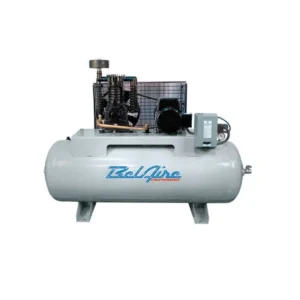
 BS-260M
  318H
318H 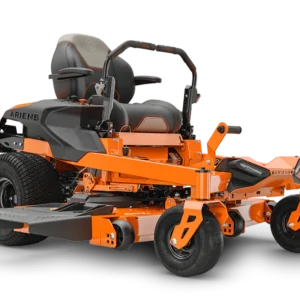 918005
 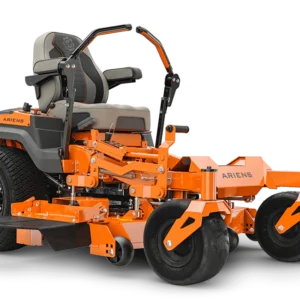 991161
 Subtotal: $12,011.00
How to Stripe a Lawn With a Zero-Turn Mower
Create cleaner lawn stripes with a zero-turn mower using a safe pattern, straight reference line, consistent overlap, deck setup, and optional roller.
 Written byHarfanTools Editorial Team
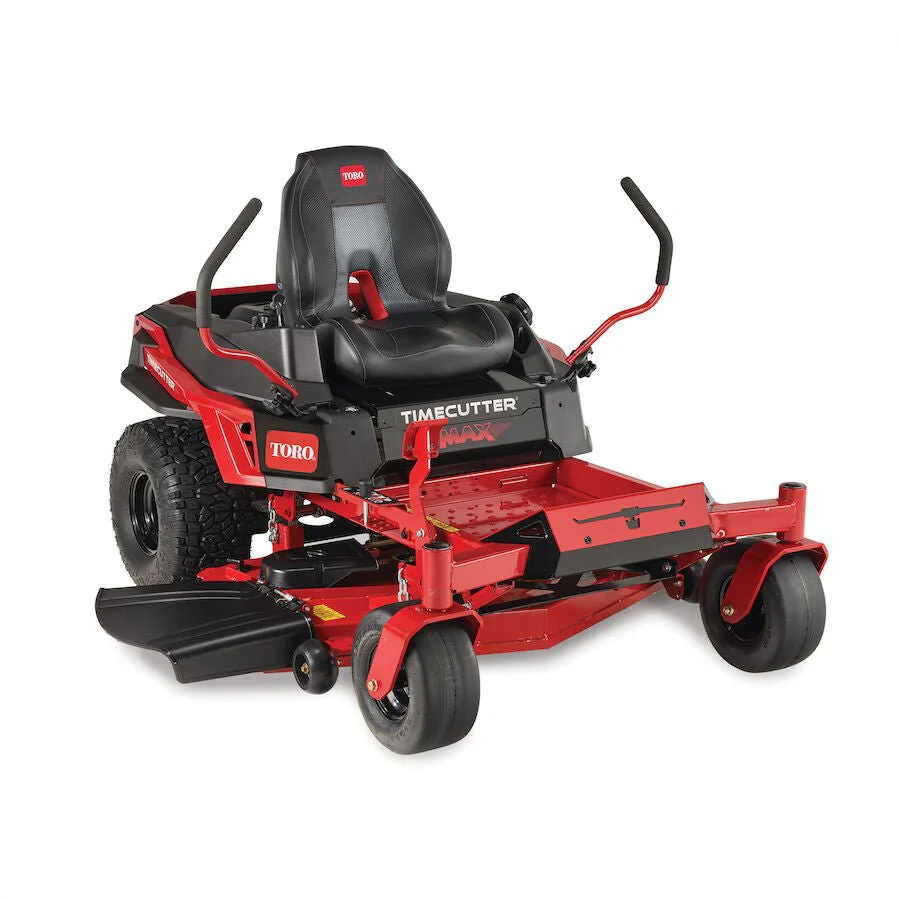
how to stripe a lawn with a zero turn mower means bending grass in alternating directions so reflected light creates contrasting bands. Straight travel, consistent overlap, healthy grass, sharp blades, and an even deck matter more than repeatedly mowing the same line.
Striping is a finish technique, not permission to make unsafe turns or scalp turf. The mower manual, property hazards, slope limits, discharge control, and bystander safety always take priority over the pattern.
Quick answer: Mow the perimeter, choose a distant fixed reference, drive the first line straight, reverse direction in adjacent passes with consistent overlap, and make gentle turns outside the finished stripe. Alternate the overall pattern on later mowings to reduce rutting.
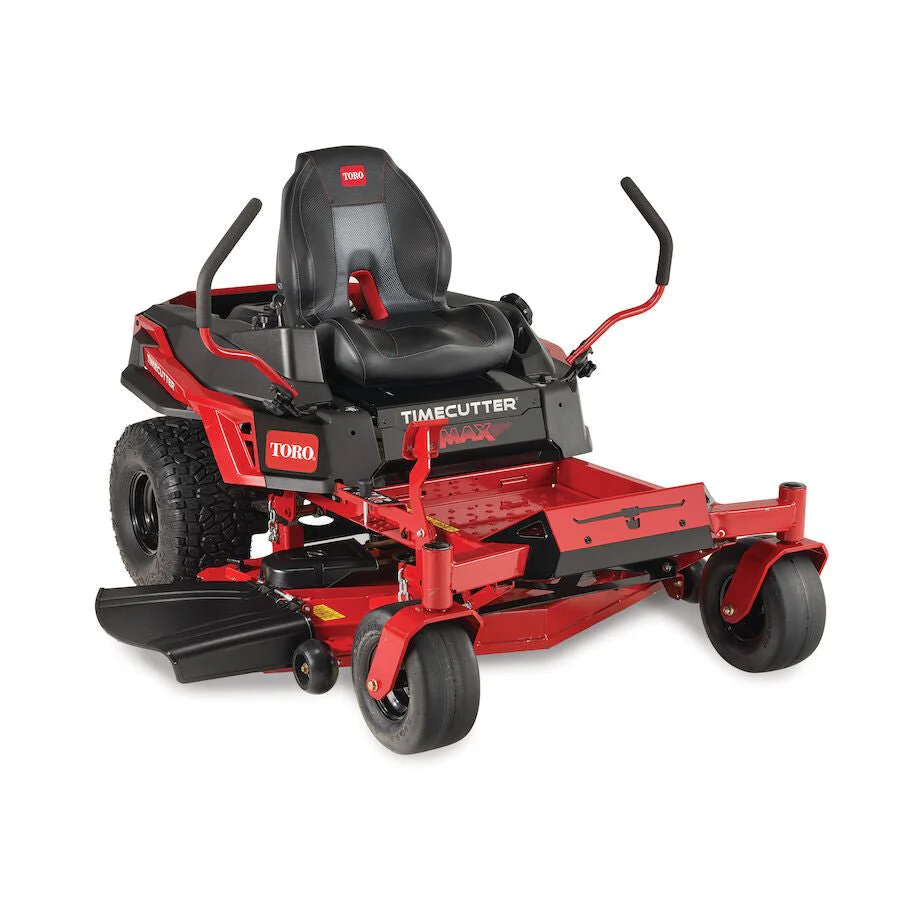
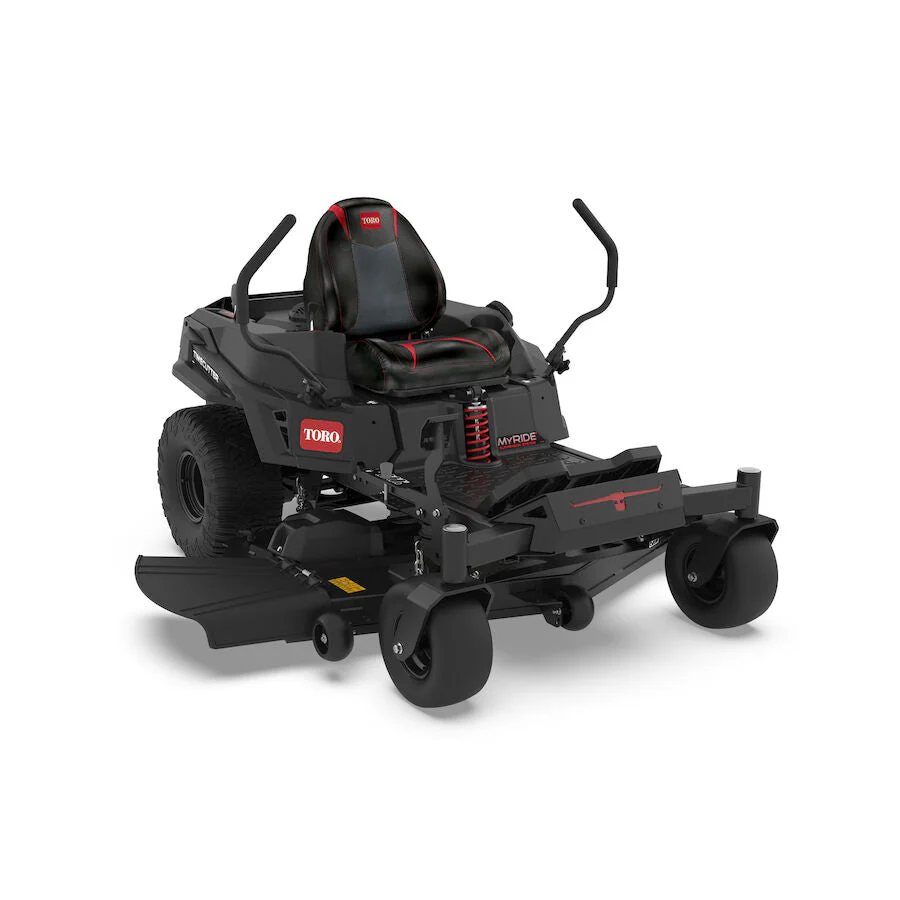
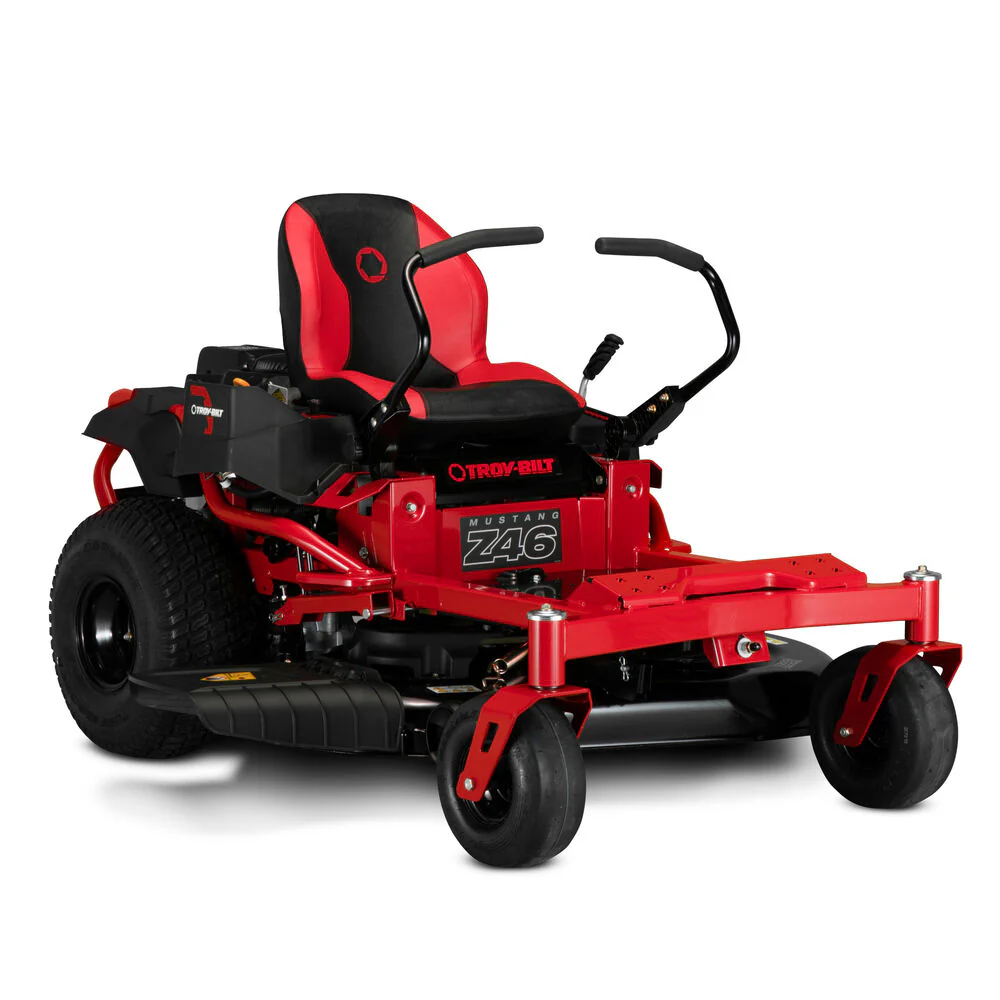
Learning how to stripe a lawn with a zero turn mower starts with safe turns, consistent travel lines, correct deck setup, and healthy turf.
Stripe Quality Controls
| Control | Effect on appearance | Practical check |
|---|---|---|
| Reference line | Keeps passes straight | Aim at a distant fixed point |
| Overlap | Prevents missed strips | Use the same tire or deck reference |
| Grass condition | Changes how long blades stay bent | Stripe dry, healthy turf |
| Deck setup | Affects evenness and definition | Level and maintain per manual |
1. Prepare the Lawn and Machine
Remove branches, toys, wire, stones, and other projectiles. Check tire pressure, blade condition, deck height, guards, and discharge direction before planning the visual pattern.
Avoid striping saturated soil. Repeated tire passes can create ruts and compaction, while wet clippings can clump under the deck.
2. Establish the First Straight Pass
Use a long edge of the property or a distant landmark as the visual target. Look forward rather than repeatedly correcting against the mower deck. Small steering changes create waves that multiply across later passes.
For irregular properties, stripe the largest rectangle first, then finish curved boundaries separately.
3. Keep Overlap Consistent
Choose a visible reference on the deck or align a tire with the previous wheel track. Enough overlap prevents an uncut ridge; too much wastes time and can exaggerate compaction.
Travel at a speed that lets the deck process grass cleanly. Faster is not better if blades leave stragglers or the mower bounces.
4. Turn Without Damaging Turf
Make a controlled three-point or rounded turn in the perimeter area rather than pivoting a stationary inside tire. Sharp zero-radius turns on soft turf can tear grass.
Watch discharge direction during every turn. Never throw clippings or hidden debris toward people, roads, windows, or vehicles.
5. Use a Roller Only When Approved
A striping roller or flap can increase grass bend, but it must fit the exact mower and preserve deck movement, discharge, ground clearance, and warranty. Avoid homemade attachments that create entanglement or mounting hazards.
Alternate north-south, east-west, or diagonal patterns between mowings. Variation reduces repeated wheel traffic and produces a more even long-term finish.
Seven Steps to Cleaner Stripes
- Inspect the lawn and mower.
- Mow a clean perimeter turning zone.
- Select a distant reference for the first line.
- Make adjacent passes in alternating directions.
- Keep speed, height, and overlap consistent.
- Use gentle turns outside the stripe.
- Rotate the pattern at the next mowing.
Mistakes That Lead to a Poor Purchase
- Looking down and overcorrecting the steering levers.
- Pivoting on one drive tire and tearing turf.
- Trying to stripe wet, flattened, or stressed grass.
- Mounting an unapproved roller or weight.
Frequently Asked Questions
Do you need a striping kit?
No. Alternating travel direction can create visible bands, while an approved roller may make them more defined depending on grass species and condition.
What mowing height makes the best stripes?
There is no universal height. Follow healthy-height guidance for the grass species and never remove too much leaf at once merely for appearance.
Why are my stripes wavy?
The first reference line may be curved, the operator may be looking too close to the deck, or overlap and steering corrections may be inconsistent.
Sources and Buying Next Step
For this how to stripe a lawn with a zero turn mower guide, manufacturer or government guidance provides the technical baseline. Always let the exact equipment manual, nameplate, applicable electrical code, and local safety requirements control the final decision.
Bottom line: Build the pattern from one straight reference, protect turf during turns, and rotate directions between mowings. Browse the zero-turn mowers to compare real specifications after completing the checklist above.
HarfanTools product guidance
Need help choosing industrial equipment?
Compare professional tools, review specifications and find equipment suited to your operation.