
No products in the cart.
Concrete Saw Blade Guide: Wet, Dry and Diamond Blades
Choose concrete saw blades by wet or dry cutting, diamond bond, segment type, diameter, arbor, speed, material and required depth.
 Written byHarfanTools Editorial Team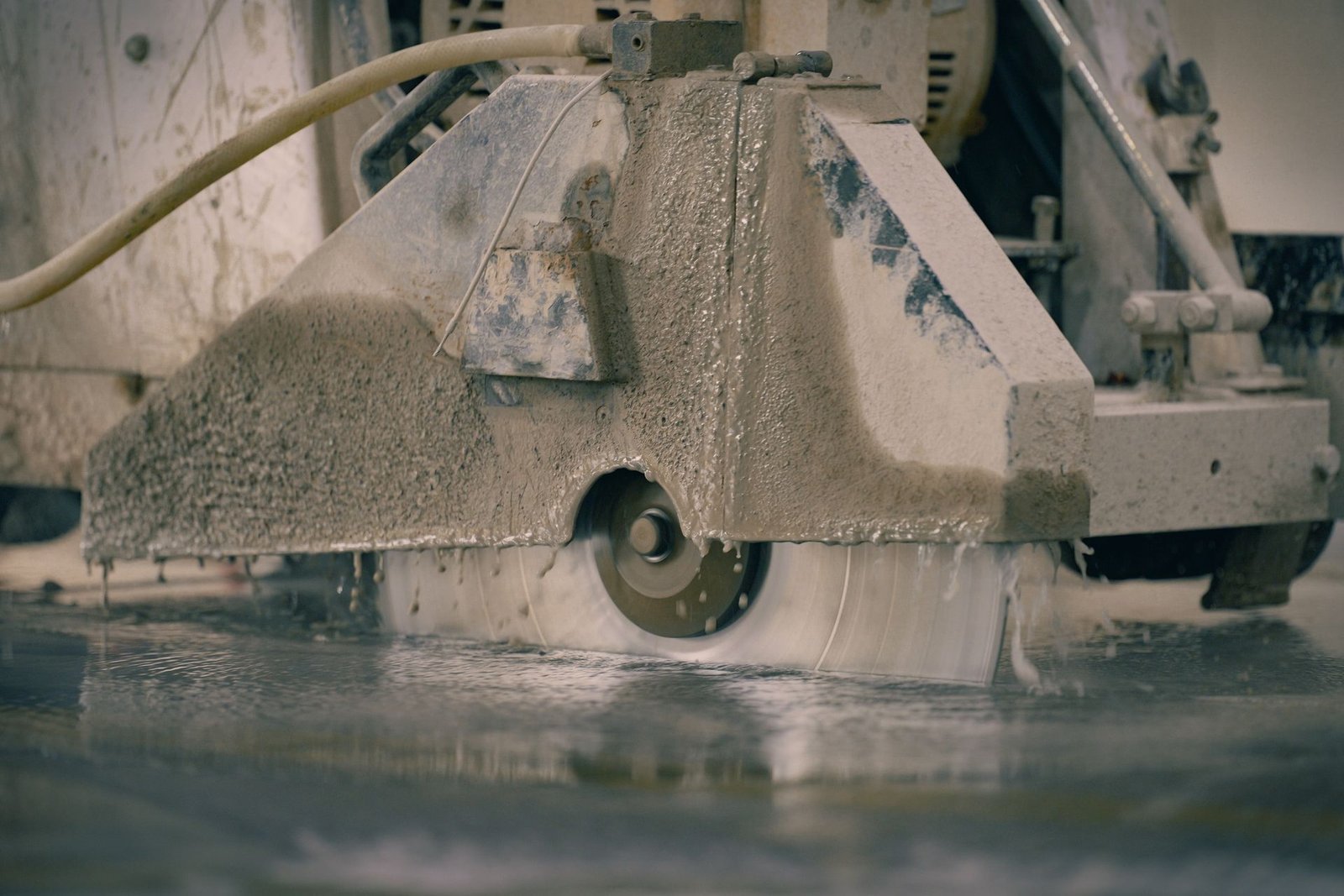
concrete saw blade guide matches the blade to the material, saw, cutting method, and required finish. The correct diameter alone is not enough: diamond bond, segment design, arbor, maximum RPM, wet or dry approval, aggregate hardness, reinforcement, and horsepower all influence performance and safety.
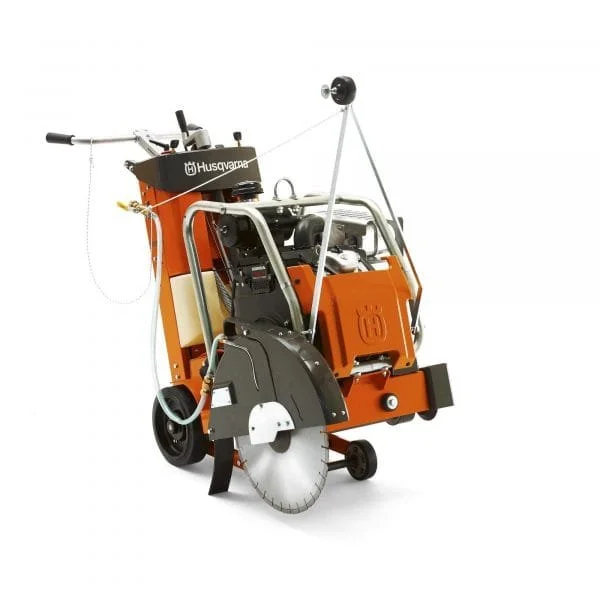
Concrete composition varies widely across the US, Canada, and Asia. Obtain material and blade-supplier guidance for demanding work, and never use a blade whose markings, core, segments, or rotation arrow cannot be verified.
Concrete Saw Blade Guide: Quick Selection
| Decision factor | What to check |
|---|---|
| Wet cutting | Better cooling and dust suppression where water is permitted |
| Dry cutting | Short intermittent cuts with a blade approved for dry use |
| Hard aggregate | Typically a softer bond exposes diamond more readily |
| Abrasive soft material | Typically a harder bond resists rapid wear |
1. Match the Blade to the Exact Material
Cured concrete, green concrete, asphalt, masonry, brick, tile, and stone require different bonds and segment designs. Reinforced concrete adds steel cutting and heat. A general-purpose blade offers flexibility but may not provide the lowest cost per cut on repetitive work.
Tell the supplier material age, aggregate, reinforcement, saw type, horsepower, cut depth, and production target.
2. Understand Diamond Bond Hardness
The metal bond holds diamond crystals and wears to expose new cutting edges. Hard abrasive material can wear a soft bond too rapidly; very hard aggregate may glaze a bond that does not release diamond quickly enough.
The common rule is softer bond for harder aggregate and harder bond for softer abrasive material, but use the blade maker matrix for the actual product.
3. Choose Segmented, Turbo, or Continuous Rim
Segmented rims provide cooling and aggressive cutting for concrete and masonry. Turbo rims balance speed and edge quality. Continuous rims are associated with smoother cuts in tile and similar materials, often with water.
Segment geometry, gullets, weld method, and core design vary. Do not select from appearance alone.
4. Wet Cutting vs Dry Cutting
Water cools the blade, flushes slurry, and suppresses dust when delivered correctly. Dry blades depend on airflow and intermittent cutting. Never wet-cut with equipment not designed for water, and never run a wet-only blade dry.
Plan water supply, electrical protection, slurry collection, environmental control, and freeze conditions in cold climates.
5. Verify Diameter, Arbor, RPM, and Rotation
The saw must accept the blade diameter and arbor without makeshift adapters. Blade maximum RPM must meet or exceed saw spindle speed. Install in the marked rotation direction and use the correct flanges and guard.
Disconnect energy before changing a blade. Inspect the core, segments, arbor, and mounting surfaces and remove damaged blades from service.
6. Improve Blade Life and Cutting Speed
Allow the blade to cut without excessive side pressure. Maintain water flow, correct depth steps, drive belts, bearings, and saw alignment. A glazed blade may require an approved dressing method; do not force it harder into the cut.
Track footage or meters cut, blade cost, labor, and downtime to compare cost per cut instead of purchase price.
Concrete Blade Safety and Selection Checklist
- Identify material and reinforcement.
- Confirm wet or dry cutting approval.
- Match diameter, arbor, and maximum RPM.
- Use the specified guard and flange.
- Check rotation arrow and segment condition.
- Provide water or dust extraction.
- Control slurry and silica exposure.
- Record cost per cut for repeat work.
Frequently Asked Questions
Can a dry blade be used wet?
Some blades are approved for both methods, but not all. Use only as marked by the manufacturer.
Why is my diamond blade not cutting?
The bond may be glazed, the blade may be wrong for the material, rotation may be incorrect, or the saw may lack speed, power, water, or alignment.
Can one blade cut concrete and asphalt?
Combination blades exist, but dedicated bonds often provide better life and cost per cut in repetitive material.
Trusted Resources and Next Steps
Use OSHA silica construction guidance and our concrete dust containment guide for exposure controls.
Bottom line: Match material and cutting method first, then verify bond, rim, diameter, arbor, RPM, water or extraction, guarding, and cost per cut. Browse the concrete saw collection, or visit the HarfanTools knowledge center for more equipment guides.
Blade Selection for Regional Materials and Conditions
US and Canadian concrete can vary by aggregate hardness, reinforcement, age, and exposure conditions. Northern work also introduces freeze-damaged slabs and cold-weather water-management problems. Confirm whether the blade is approved for green or cured concrete, wet or dry use, the saw’s arbor and RPM, and the presence of rebar. Water controls dust and cooling only when the saw and blade are designed for it.
In Asian markets, very hard local aggregate, high ambient heat, dense reinforcement, and limited water control can change blade wear dramatically. Match bond hardness to the material rather than buying only by diameter or segment height. Check metric and imperial arbor compatibility, rotation direction, maximum RPM, and access to replacement blades. Plan slurry collection or extraction before cutting, and follow the silica-exposure rules that apply at the work location.
HarfanTools product guidance
Need help choosing industrial equipment?
Compare professional tools, review specifications and find equipment suited to your operation.


3 Comments