
No products in the cart.
Lawn Mower Maintenance Checklist: 12 Best Maintenance Steps
Follow a 12-step lawn mower maintenance checklist for blades, deck, engine, batteries, belts, tires, safety systems and storage.
 Written byHarfanTools Editorial Team
lawn mower maintenance checklist turns routine inspection into reliable cut quality, safer operation, and fewer peak-season failures. The exact service intervals come from the owner’s manual, but every mower benefits from a consistent pre-use, periodic, and storage process.
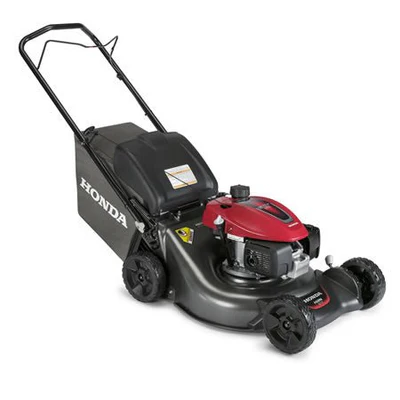
This workflow covers walk-behind, riding, zero-turn, gasoline, and battery mowers used by homeowners and commercial crews in the United States, Canada, and Asia. Lock out energy, let hot components cool, and use approved lifting and blade-handling procedures before service.
lawn mower maintenance checklist: Quick Answer
Before each use, inspect guards, controls, tires, leaks, blade area, and loose hardware. Clean the deck and cooling paths after work. At manual-defined intervals, service blades, belts, spindles, filters, oil, spark components, batteries, and hydrostatic systems. Finish with climate-appropriate storage and a written log.
| Decision factor | Best-fit guidance | Verify before buying |
|---|---|---|
| Before each use | Safety, leaks, tires, controls, debris | Manual checklist and visible condition. |
| After each use | Deck, cooling air, cleaning, damage | Drying and safe clipping removal. |
| Periodic | Blade, belt, filters, oil, battery, drive | Hours and calendar interval. |
| Seasonal storage | Fuel, charge, corrosion, dry location | Climate and manufacturer procedure. |
1. Read the Manual and Record the Baseline
Identify model, serial number, engine, battery, transmission, deck, blade, belt, filter, lubricant, tire, and torque specifications. Photograph labels and store manuals where technicians can reach them.
Create a log with date, machine hours, work performed, parts, observations, and next due service. A baseline prevents generic maintenance from introducing the wrong oil, charger, belt tension, or fastener torque.
2. Isolate Energy Before Service
Remove the key, disconnect the spark-plug lead as instructed, remove battery packs, engage parking controls, and wait for blades and hot parts to stop. Use manufacturer-approved lift points and stable supports.
Never rely on a hydraulic jack alone or reach beneath a deck that can fall. Wear cut-resistant handling protection for blades, but avoid gloves near rotating equipment during operational checks.
3. Inspect Guards, Interlocks, and Controls
Check discharge chutes, belt guards, rollover protection, seat switches, blade controls, parking brake, operator-presence systems, and emergency stops. Do not bypass an interlock to keep working.
Operate each control in a safe test area and compare behavior with the manual. Tag the mower out of service when a safety function is damaged or inconsistent.
4. Clean the Deck and Cooling Paths
Accumulated clippings hold moisture, restrict airflow, unbalance components, and hide cracks. Remove buildup using the method approved for the mower, avoiding water near hot engines, bearings, electrical connectors, and battery compartments unless permitted.
Clean engine screens, motor vents, radiator or hydraulic cooler surfaces, and battery air paths. Tropical grass and seed heads may require more frequent attention than a dry weekly residential cut.
5. Sharpen, Balance, and Replace Blades
A dull blade tears leaves, increases load, and reduces finish. Remove it using the specified blocking and tool method, inspect for cracks, bending, excessive wear, or elongated mounting holes, and replace any questionable blade.
Sharpen to the original angle without overheating the edge, remove equal material, balance the blade, clean mounting surfaces, and torque hardware to specification. Never weld or straighten a damaged mower blade.
6. Check Belts, Pulleys, and Spindles
Look for glazing, cracks, missing ribs, frayed edges, oil contamination, misalignment, and incorrect tension. Spin pulleys and spindles by hand only after safe isolation, listening and feeling for rough bearings or excess play.
Replace belts as matched sets when the manufacturer requires it. Correct the cause of abnormal wear—misaligned guards, seized idlers, debris, or bent pulleys—rather than fitting another belt.
7. Service Engine Oil, Air, Fuel, and Ignition
For gasoline mowers, follow the specified oil grade and interval, check level on the required surface, and prevent dirt from entering the fill. Inspect the air filter more often in dusty work and replace rather than over-cleaning disposable media.
Check fuel lines, cap, tank, filter, carburetor area, spark plug, and cooling fins. Repair leaks immediately. Use fresh approved fuel and follow the exact long-term storage procedure.
8. Care for Batteries and Electrical Connections
Inspect removable packs and starting batteries for damage, swelling, corrosion, heat, loose terminals, and contaminated contacts. Use the approved charger in a dry visible location and protect terminals from metal objects.
For lead-acid batteries, follow the manual for electrolyte and ventilation. For lithium-ion systems, do not open packs or use improvised chargers. Record packs that show unusual runtime or temperature.
9. Inspect Tires, Wheels, and Steering
Set tire pressure cold to specification and compare left-to-right values because pressure differences affect cut level and traction. Inspect tread, sidewalls, wheel hardware, bearings, caster pivots, steering joints, and toe settings where adjustable.
Remove wrapped string and debris before it damages seals. Correct pulling, vibration, or uneven tire wear before it affects control or deck leveling.
10. Maintain Hydrostatic and Drive Systems
Check for leaks, damaged hoses, loose fittings, dirty cooling surfaces, unusual noise, slow response, and unequal tracking. Some residential units are sealed; commercial systems may require filter and fluid changes.
Use only the specified fluid and bleeding procedure. Hydraulic contamination or incorrect oil can cause expensive damage. Have a qualified technician investigate persistent heat or loss of drive.
11. Level the Deck and Verify Cut Quality
With correct tire pressure and a level surface, measure blade or deck reference points according to the manual. Adjust side-to-side level and front-to-rear pitch only within the specified range.
Make a test cut in normal turf, then inspect for ridges, stragglers, scalping, clumps, and uneven discharge. Separate blade, deck, tire, spindle, and ground-condition causes.
12. Prepare for Storage and Return to Service
Clean and dry the mower, protect exposed metal, treat fuel as directed, store batteries at the specified charge and temperature, and keep rodents away from wiring and air paths. Do not cover a hot or damp machine.
Before the season begins, remove storage controls, inspect for nests and leaks, confirm fluids and charge, test safety systems, and run a controlled cut. Order common wear parts before dealer demand peaks.
How to Compare lawn mower maintenance checklist Options Objectively
Start with a written duty profile instead of a brand shortlist. Record the property or workpiece, normal and peak workload, operating hours, access limits, available utilities, climate, operator experience, and the result that must be achieved. For this lawn mower maintenance checklist decision, the most useful quotation is one that states its assumptions and identifies every included battery, charger, cord, blade, bit, accessory, guard, transfer device, or consumable.
Then run a representative acceptance test. Use the regular operator, typical material or turf, the accessories that will be used in production, and enough time to expose heat, battery, filtration, traction, or duty-cycle limits. Record setup time, productive time, interruptions, finish quality, consumable wear, energy or fuel use, and operator feedback. A short controlled test makes lawn mower maintenance checklist comparisons more defensible than a catalog specification alone.
lawn mower maintenance checklist for the United States, Canada and Asia
United States buying notes
US maintenance plans should account for long growing seasons in southern states, winter storage in northern states, and dusty commercial routes. Follow local fuel and waste-oil rules, CPSC safety guidance, and manufacturer emissions-related instructions. Keep dealer and recall information with the equipment record.
Canada buying notes
Canadian storage requires special attention to freezing temperatures, condensation, battery temperature, stabilized or drained fuel, and spring startup. Health Canada advises compatible certified chargers and careful lithium-ion inspection. Avoid storing batteries in a vehicle exposed to severe cold or heat.
Asia buying notes
High humidity, monsoon moisture, salt air, fast turf growth, insects, and year-round use can shorten cleaning and inspection intervals. Verify locally available oils, filters, belts, blades, batteries, and diagnostic support. Store equipment above flood risk in a ventilated dry area.
Printable Lawn Mower Maintenance Checklist
- Record model, hours, and manual intervals.
- Isolate all energy and support the machine safely.
- Test guards, interlocks, brakes, and controls.
- Clean deck and cooling paths.
- Inspect, sharpen, balance, and torque blades.
- Check belts, pulleys, and spindle bearings.
- Service gasoline engine systems if fitted.
- Inspect batteries, chargers, and electrical contacts.
- Set tires and inspect steering hardware.
- Check hydrostatic or wheel-drive systems.
- Level the deck and run a cut-quality test.
- Complete storage or return-to-service steps.
Frequently Asked Questions About lawn mower maintenance checklist
How often should a lawn mower be serviced?
Use both engine or machine hours and calendar intervals from the manual. Dust, heat, wet grass, and commercial duty often require more frequent inspection.
How often should mower blades be sharpened?
Inspect frequently and sharpen when the edge is rounded, nicked, or tearing grass. Hours vary with soil, debris, turf, and property conditions.
Can I hose off the mower deck?
Only if the manual allows it and after the machine is cool and isolated. Protect bearings, electrical parts, engine intake, and battery compartments.
Should gasoline remain in a mower over winter?
Follow the engine manufacturer’s exact storage method, which may specify draining or using fresh stabilized fuel. Do not improvise.
Where should lithium mower batteries be stored?
Store them dry, undamaged, at the temperature and state of charge specified by the manufacturer, away from metal objects, heat, moisture, and exits.
Trusted Resources and HarfanTools Next Steps
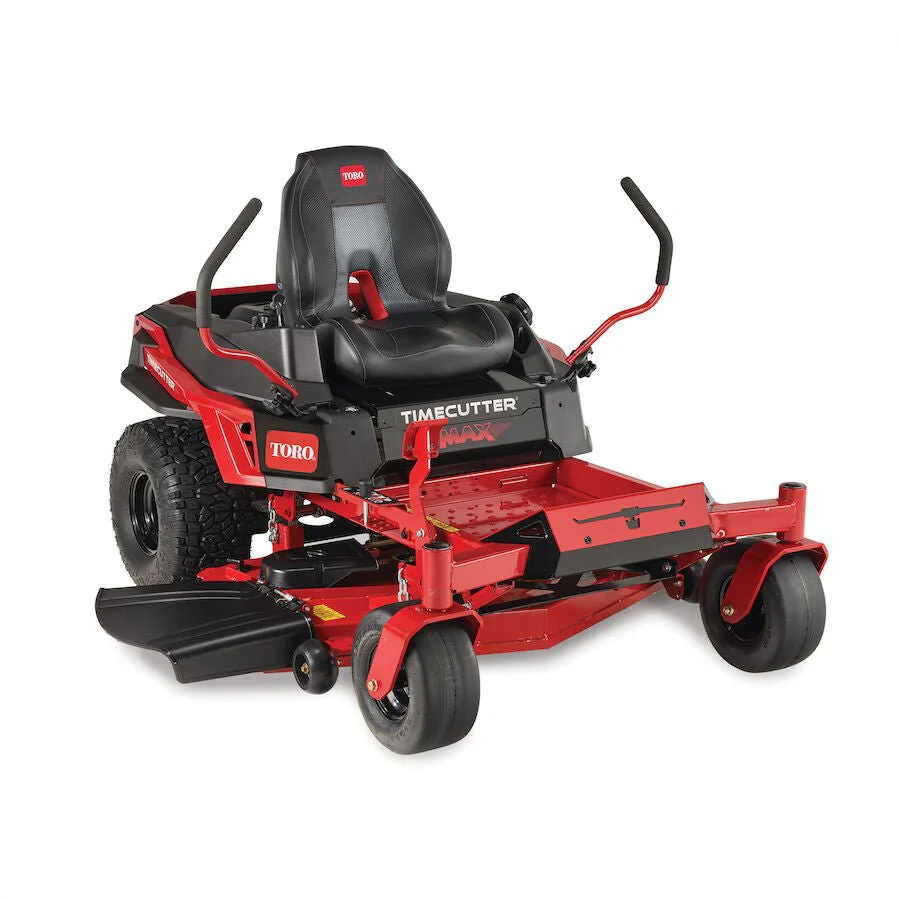
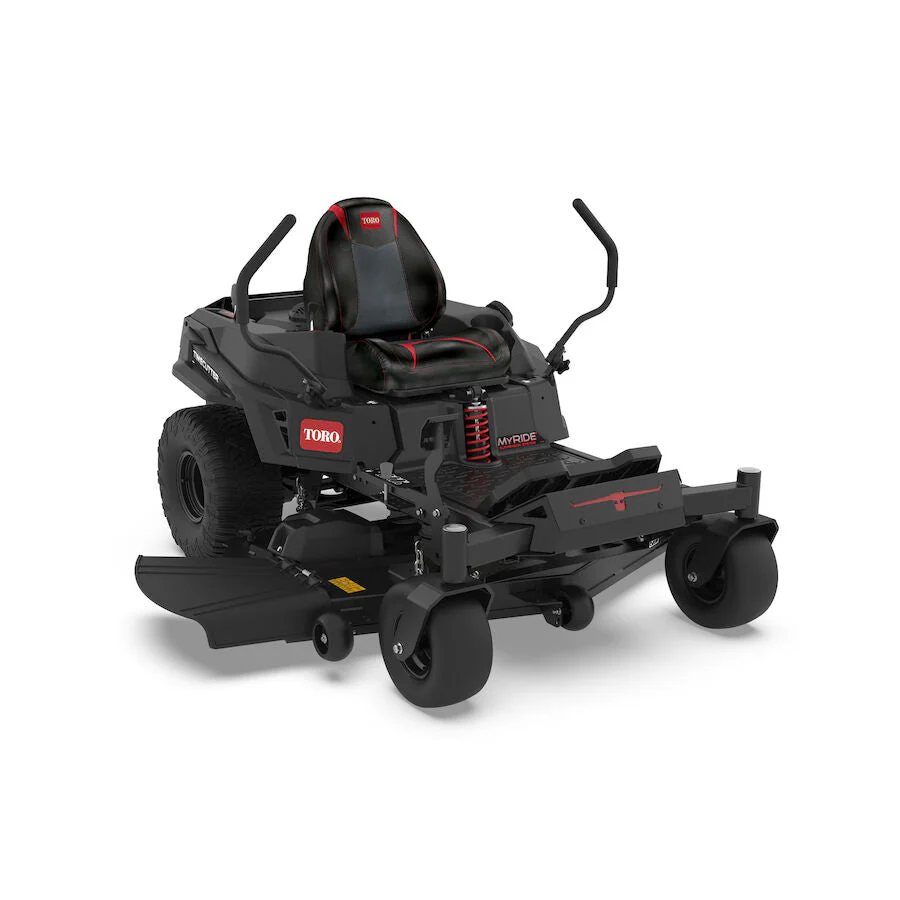
Use the exact equipment manual with CCOHS mower safety guidance and Health Canada battery advice. Find replacement candidates in HarfanTools’ walk mower, riding mower, and zero turn mower ranges.
Bottom line: Use the manual as the controlling document, combine pre-use checks with logged periodic work, and correct small changes in sound, heat, vibration, leakage, or cut quality before they become peak-season failures.
HarfanTools product guidance
Need help choosing industrial equipment?
Compare professional tools, review specifications and find equipment suited to your operation.
2 Comments