No products in the cart.
Metal Bandsaw Blade TPI Guide: How to Choose Tooth Pitch
Choose metal bandsaw blade TPI from workpiece thickness, solid or tubing geometry, tooth engagement, material, blade speed, feed, and machine manual.
 Written byHarfanTools Editorial Team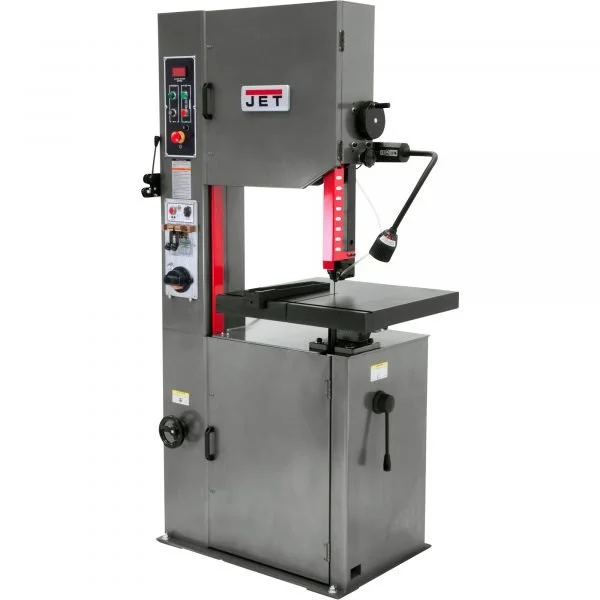
metal bandsaw blade TPI starts with how much material the blade crosses at each point in the cut. The goal is to keep enough teeth engaged to avoid snagging without packing so many teeth into the kerf that chips cannot clear.
Tubing, angle, channel, bundles, and solids present different engagement as the blade travels. Variable-pitch blades can reduce harmonic vibration and cover a range of section sizes, but the blade manufacturer chart remains the best selector.
Quick answer: Measure the smallest and largest section the teeth encounter, then use the blade maker chart to keep multiple teeth engaged while preserving chip space. For changing profiles or bundles, size from both extremes and consider a suitable variable pitch.
Metal bandsaw blade TPI must keep enough teeth engaged in the changing section of the work without packing the gullets with chips.
Tooth-Pitch Symptoms
| Observation | Possible pitch issue | Also inspect |
|---|---|---|
| Teeth snag or strip | Too few teeth engaged | Feed pressure and workholding |
| Fine powder instead of chips | Pitch too fine or feed too light | Blade speed and tooth sharpness |
| Packed gullets | Too many teeth in thick section | Coolant and chip brush |
| Rhythmic vibration | Pitch harmonics or unstable setup | Blade tension and guides |
1. Measure the Section in the Blade Path
For solid bar, the engaged thickness grows and then falls through the cut. For tubing, wall thickness and the number of walls contacted change with orientation. A bundle behaves differently from one solid of the same overall width.
Sketch the path and identify minimum and maximum engagement. This avoids choosing TPI from nominal outside diameter alone.
2. Keep Several Teeth Engaged
Too coarse a pitch can leave only one tooth carrying the load, causing impact, tooth stripping, and a rough cut. Too fine a pitch fills small gullets with chips and raises heat.
Use the blade manufacturer selector for the exact blade family. Rules of thumb are screening tools, not replacements for its chart.
3. Choose Tooth Form and Set
Positive-rake designs can help cut larger or tougher solids, while different set patterns support general-purpose or profile cutting. Material hardness and machinability influence the choice alongside TPI.
Confirm blade width, thickness, and length fit the saw wheels, guides, and tension specification.
4. Coordinate Speed and Feed
TPI cannot fix incorrect surface speed or feed force. Excess speed creates heat and premature dulling; insufficient feed causes rubbing; excessive feed can deflect the blade or strip teeth.
Read chips: properly formed chips, temperature, color, and consistency provide clues. Adjust within machine and blade recommendations.
5. Break In and Maintain the Blade
Many manufacturers specify reduced feed during initial cutting so fresh tooth tips wear uniformly. Skipping break-in can shorten blade life even when pitch is correct.
Maintain coolant concentration and delivery, chip-brush contact, guide alignment, blade tension, and secure workholding. Record cut count and failure pattern to improve the next selection.
TPI Selection Workflow
- Identify material and hardness.
- Measure minimum and maximum engaged section.
- Classify solid, tube, structural, or bundle.
- Use the blade maker tooth-pitch chart.
- Match blade dimensions and tooth form to the saw.
- Set recommended speed, feed, coolant, and tension.
- Break in the blade and inspect chips and cut straightness.
Mistakes That Lead to a Poor Purchase
- Selecting TPI from outside diameter alone.
- Using a very fine blade for a thick solid.
- Expecting pitch to compensate for worn guides.
- Installing a new blade at full production feed without break-in.
Frequently Asked Questions
What TPI is best for cutting steel?
There is no single best TPI. Workpiece engagement, material, solid or tubing geometry, and the blade family determine the choice.
Is more TPI better for thin metal?
Thin walls generally need finer pitch to keep several teeth engaged, but too fine a blade can load with chips when the path also crosses thicker sections.
Why does my bandsaw cut crooked?
Possible causes include worn or misadjusted guides, low tension, wrong feed, dull or damaged teeth, workholding, or a blade unsuited to the section.
Sources and Buying Next Step
For this metal bandsaw blade TPI guide, manufacturer or government guidance provides the technical baseline. Always let the exact equipment manual, nameplate, applicable electrical code, and local safety requirements control the final decision.
Bottom line: Select TPI from the material actually engaged through the cut, then coordinate tooth form, speed, feed, tension, coolant, and break-in. Browse the metal bandsaw range to compare real specifications after completing the checklist above.
HarfanTools product guidance
Need help choosing industrial equipment?
Compare professional tools, review specifications and find equipment suited to your operation.