
No products in the cart.
Metal Fabrication Tools: 10 Essentials for Professional Shops
Compare ten essential metal fabrication tools for cutting, forming, welding, finishing and material handling, with safety and ROI advice.
 Written byHarfanTools Editorial Team
The right metal fabrication tools turn raw stock into accurate, repeatable, and profitable work. A professional shop does not need every machine on day one; it needs a balanced workflow for measuring, cutting, preparing, forming, joining, finishing, and moving material safely.
This guide covers ten essential machines and tool groups for job shops, maintenance departments, and growing fabrication businesses. Use it to prioritize equipment by workload, material range, floor space, operator skill, and return on investment.
10 Essential Metal Fabrication Tools at a Glance
| Tool | Primary job | Best buying metric |
|---|---|---|
| 1. Horizontal band saw | Cut bar, tube, and structural stock | Capacity and miter range |
| 2. Plasma cutter | Cut plate and profiles | Clean-cut thickness |
| 3. Cold saw | Make accurate production cuts | Blade speed and repeatability |
| 4. Press brake | Bend sheet and plate | Tonnage and working length |
| 5. Shear | Make straight sheet cuts | Capacity by material |
| 6. Ironworker | Punch, notch, and shear profiles | Station capacity |
| 7. MIG/TIG welder | Join metal | Output and duty cycle |
| 8. Drill press | Create repeatable holes | Spindle travel and speed range |
| 9. Grinder and finishing tools | Prepare edges and finish welds | Abrasive compatibility |
| 10. Material-handling equipment | Move stock and assemblies | Rated capacity and reach |
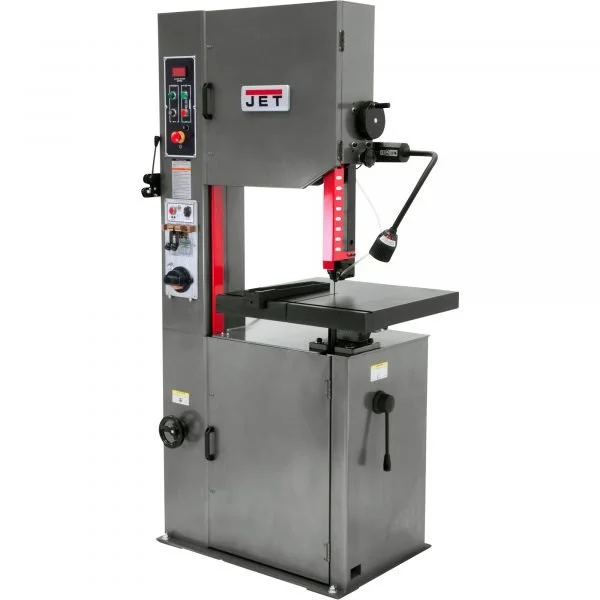
1. Horizontal Band Saw
A horizontal band saw is one of the most useful metal fabrication tools for cutting tube, bar, angle, channel, and structural sections. Look beyond maximum capacity: evaluate vise rigidity, miter accuracy, blade availability, coolant delivery, feed control, and how easily an operator can load common stock lengths.
For regular production, an automatic or semi-automatic feed can reduce labor and improve consistency. Compare suitable metal-cutting band saws by the material and cross-section you cut most often.
2. Plasma Cutter or CNC Plasma Table
A handheld plasma cutter provides flexible plate cutting, while a CNC table adds repeatability and nesting efficiency. Size the power source by clean-cut capacity rather than maximum severance thickness. Include the cost of dry, clean compressed air, consumables, fume control, software, and operator training.
3. Cold Saw
A cold saw produces square, low-burr cuts with good dimensional control, making it valuable for frames, production parts, and work that goes directly to welding or machining. Confirm the correct blade and tooth geometry for ferrous or non-ferrous material. A cold saw is not a substitute for a band saw on every section, but the two machines complement each other well.
4. Press Brake
A press brake forms sheet and plate into channels, brackets, boxes, and structural components. Required tonnage depends on material strength, thickness, bend length, die opening, and bend method. Specify usable working length, daylight, stroke, back-gauge capability, tooling, guarding, and control sophistication.
Do not estimate tonnage from mild steel when the shop frequently bends stainless or high-strength material. Ask the supplier to verify representative parts before ordering.
5. Sheet Metal Shear
A powered shear makes fast, straight cuts without the heat-affected edge created by thermal processes. Compare rated capacity for the actual alloy, not only nominal mild-steel thickness. Blade clearance, hold-downs, squaring arms, back-gauge accuracy, and scrap handling all affect daily productivity.
6. Ironworker
An ironworker combines punching, flat-bar shearing, angle shearing, notching, and optional bending in one footprint. It can replace several manual operations in structural and maintenance work. Check the capacity of every station, available punches and dies, throat depth, changeover time, and whether two operators can use separate stations safely.
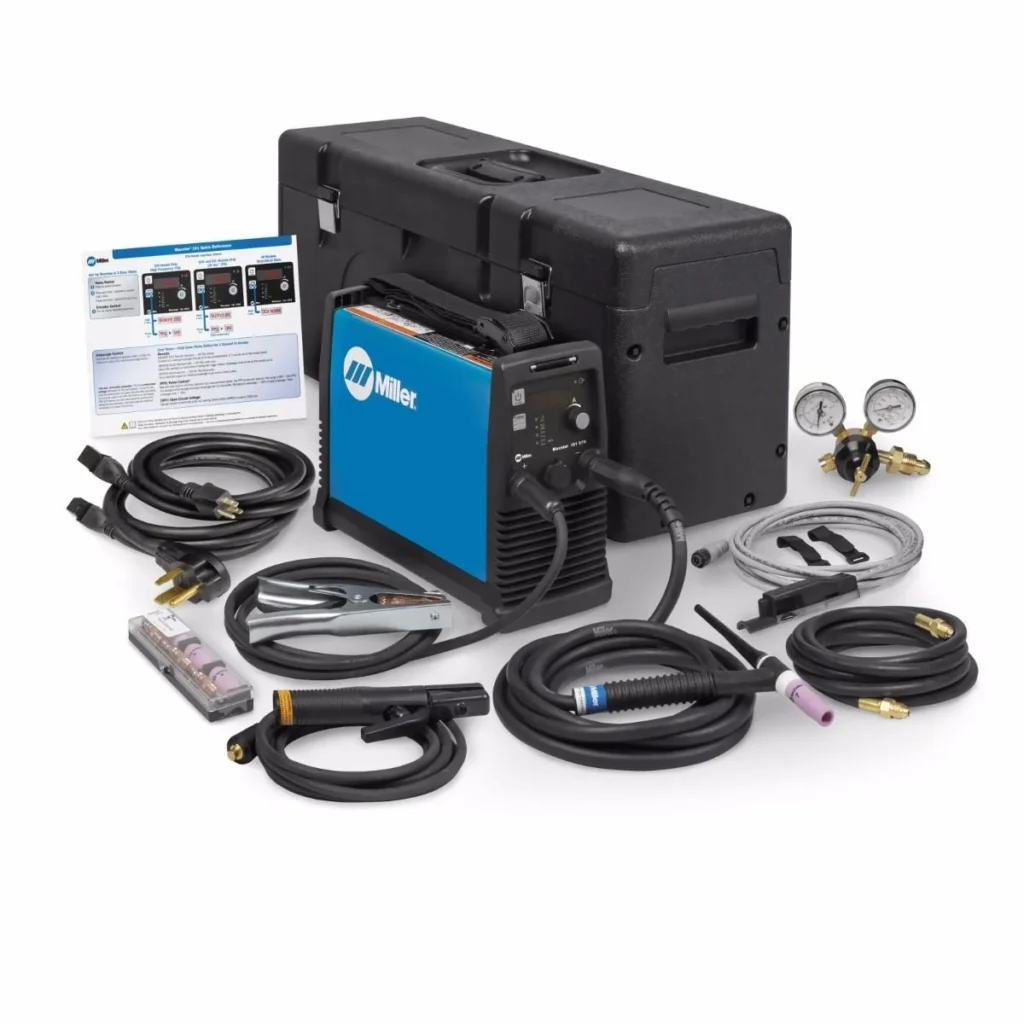
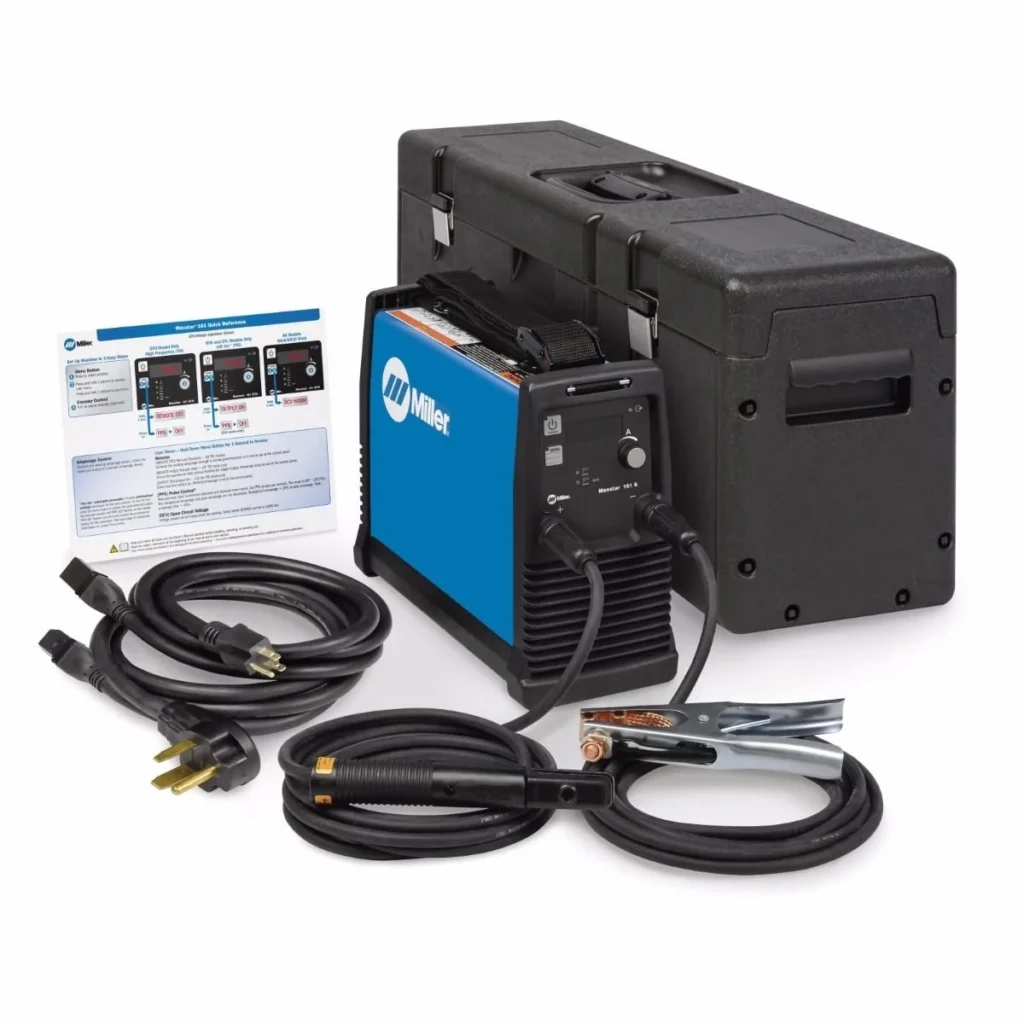
7. MIG and TIG Welding Equipment
MIG welding supports fast fabrication of carbon steel and many production assemblies. TIG welding provides precise control for stainless steel, aluminum, thin material, and high-finish work. Many shops need both processes. Select output range and duty cycle for the actual joint thickness, then budget for wire feeders, torches, gas delivery, fixtures, extraction, and consumables.
Browse professional welding equipment and plan local exhaust before increasing welding volume. OSHA requires mechanical ventilation in specified welding conditions; review the OSHA welding ventilation standard.
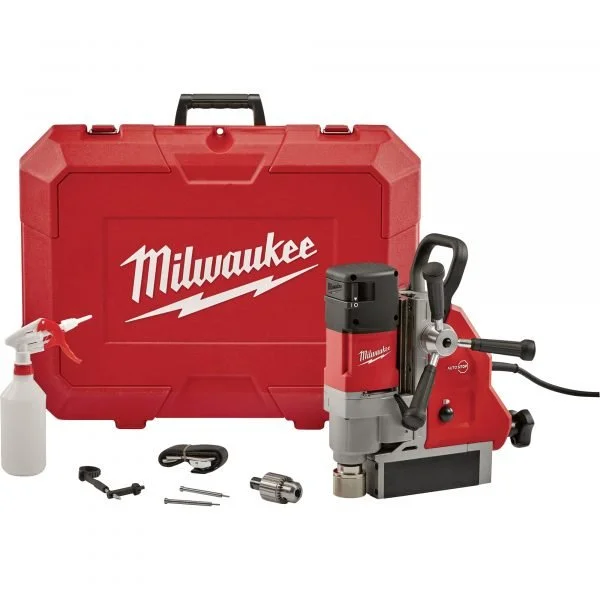
8. Drill Press or Magnetic Drill
A drill press improves hole location, perpendicularity, and repeatability compared with handheld drilling. A magnetic drill is better for large structures or work that cannot be brought to the machine. Evaluate speed range, spindle travel, table rigidity, coolant delivery, annular-cutter compatibility, and clamping.
9. Grinding and Finishing Tools
Angle grinders, belt grinders, deburring machines, and surface-finishing tools prepare edges, remove mill scale, blend welds, and create the required finish. Match the abrasive to the metal and task. Separate abrasives used on carbon steel from those used on stainless steel to reduce contamination.
Guarding, dust collection, spark direction, wheel inspection, and operator training are essential. OSHA’s machine-guarding requirements provide a useful starting point for a shop assessment.
10. Material-Handling Equipment
Fabrication productivity depends on moving stock and assemblies without damaging parts or injuring workers. Depending on the shop, that may require carts, roller conveyors, lift tables, cranes, hoists, pallet equipment, or forklifts and material-handling equipment. Rate every device for the load, center of gravity, reach, and environment.
How to Prioritize Metal Fabrication Tools
- Map the current workflow from receiving through shipment.
- Identify the operation causing the largest queue, outsourcing cost, or quality problem.
- Calculate machine time, setup time, labor, consumables, maintenance, and utilities.
- Confirm floor space, power, compressed air, ventilation, and material flow.
- Estimate realistic utilization and payback before comparing brands.
Metal Fabrication Shop Safety Checklist
- Install and inspect guards, interlocks, and emergency stops.
- Provide task-specific ventilation and dust or fume collection.
- Separate pedestrian routes from forklifts and suspended loads.
- Use documented lockout procedures for maintenance and clearing jams.
- Train operators on tooling limits, safe setup, and required PPE.
- Keep sparks and hot work away from combustible materials.
Frequently Asked Questions
Which metal fabrication tool should a new shop buy first?
u003c!u002du002d /wp:heading u002du002du003enu003cpu003eBuy the machine that removes the biggest verified bottleneck. For many general shops that is a reliable band saw and welding setup, but a sheet-metal business may gain more from a shear and press brake.u003c/pu003ennu003c!u002du002d wp:heading {u0022levelu0022:3} u002du002du003e
Is used fabrication equipment a good investment?
u003c!u002du002d /wp:heading u002du002du003enu003cpu003eIt can be, provided capacity, accuracy, guarding, controls, service history, and parts availability are verified. Include rigging, electrical work, tooling, repairs, and compliance upgrades in the total cost.u003c/pu003ennu003c!u002du002d wp:heading {u0022levelu0022:3} u002du002du003e
How should a shop compare equipment ROI?
u003c!u002du002d /wp:heading u002du002du003enu003cpu003eCompare the annual value of saved labor, increased throughput, reduced outsourcing, lower scrap, and new work against financing, installation, tooling, consumables, utilities, and maintenance.u003c/pu003ennu003c!u002du002d wp:paragraph u002du002du003enu003cpu003eu003cstrongu003eBottom line:u003c/strongu003e build a balanced shop around the work you actually sell. The best metal fabrication tools improve the entire process, not just the speed of one isolated operation.u003c/pu003enu003c!u002du002d /wp:paragraph u002du002du003ennu003c!u002du002d harfan-rankmath-depth-20260720-start u002du002du003e
HarfanTools product guidance
Need help choosing industrial equipment?
Compare professional tools, review specifications and find equipment suited to your operation.
7 Comments