No products in the cart.
Wood Chipper vs Shredder: Which Machine Do You Need?
Compare wood chippers and shredders by branch diameter, leaves, reduction ratio, feed system, output, power, safety and maintenance.
 Written byHarfanTools Editorial Team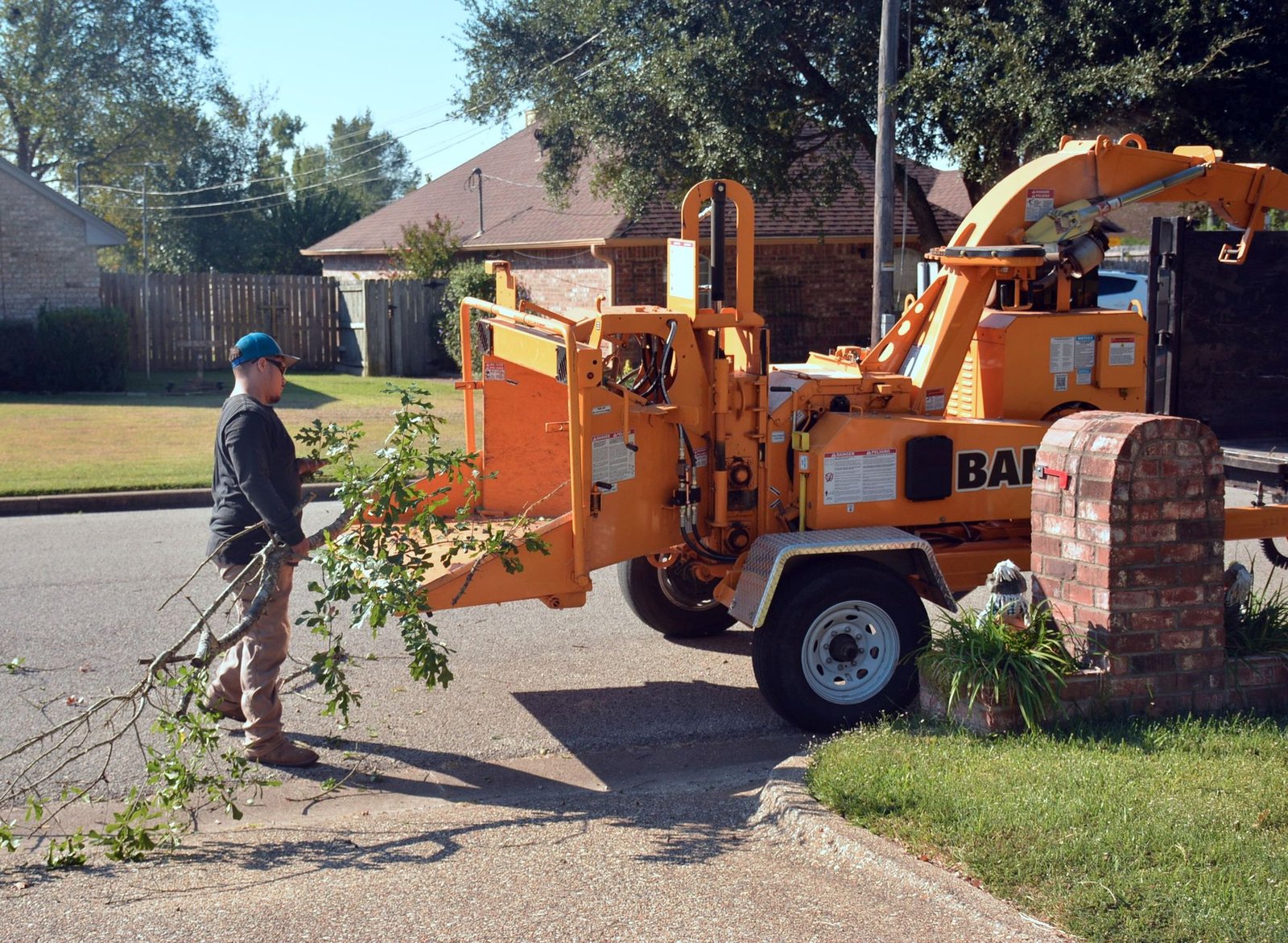
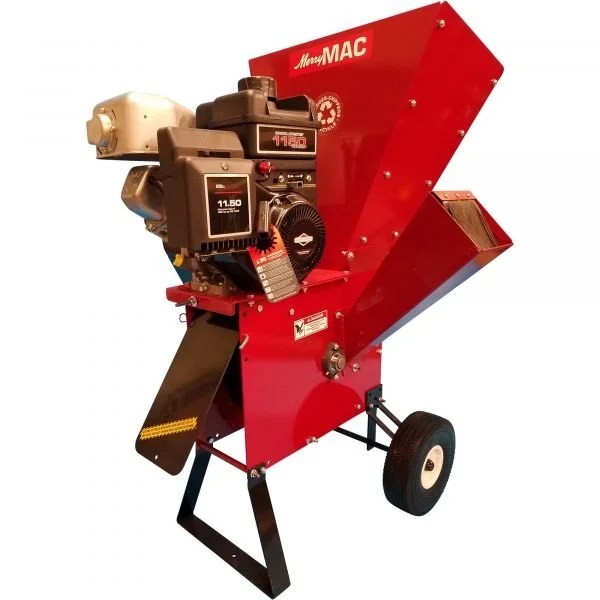
wood chipper vs shredder is a material decision. Chippers process branches and woody limbs into chips, while shredders reduce leaves, small twigs, and softer garden debris. Combination machines add flexibility but may not match a dedicated unit on maximum capacity or production rate.
Storm cleanup, pruning cycles, tropical vegetation, and property size vary across the US, Canada, and Asia. Measure real branch diameter and volume, identify desired output, and plan feeding and discharge before comparing engine power.
Wood Chipper vs Shredder: Quick Selection
| Decision factor | What to check |
|---|---|
| Straight woody branches | Wood chipper |
| Leaves and small garden debris | Shredder |
| Mixed periodic property cleanup | Chipper-shredder within stated limits |
| Large commercial limbs | Professional hydraulic-feed chipper |
1. How a Wood Chipper Processes Branches
A chipper uses knives mounted on a disc or drum to cut woody material into chips. Gravity-feed machines rely on branch weight and blade action; hydraulic-feed machines control material speed and can improve commercial productivity and operator distance.
Maximum branch diameter is an upper limit under defined conditions, not a recommendation for continuous full-diameter feeding. Species, moisture, knots, forks, and blade condition change performance.
2. How a Garden Shredder Processes Soft Debris
Shredders use flails, hammers, rollers, or cutting systems to reduce leaves, small twigs, hedge trimmings, and softer waste. Output is suitable for composting or volume reduction when the material is appropriate.
Wet fibrous vegetation can wrap or clog some machines. Compare material guidance and discharge access, not just reduction ratio.
3. Measure Material Diameter and Volume
Sort cleanup material into leaves, flexible stems, small branches, and large limbs. Measure the thickest common branch rather than the single largest limb. Estimate how often and how many cubic yards or meters are processed.
Occasional oversized limbs may be better cut for firewood or handled by a rental machine than used to justify a much larger purchase.
4. Compare Feed System and Productivity
Gravity feed is simple and economical but needs straight, prepared branches and active operator feeding. Mechanical or hydraulic feed handles irregular material more consistently and may include forward, neutral, reverse, and automatic load control.
Feed opening shape, infeed height, folding hopper, emergency controls, and discharge direction affect real output and transport.
5. Choose Output for Mulch or Compost
Chips can serve paths, moisture retention, biomass, or disposal, depending on species and local rules. Shredded leaves and green material can compost faster but require a balanced pile and appropriate handling.
Avoid spreading diseased plants, invasive seeds, chemically treated wood, or contaminated material without local guidance.
6. Plan Safety, Noise, and Maintenance
Chippers and shredders can pull material rapidly and eject fragments. Establish an exclusion zone, use eye, hearing, head, hand, and foot protection as specified, and never reach into a hopper or discharge. Shut down, isolate, and wait for complete stop before clearing.
Inspect knives, anvils, belts, fasteners, guards, tires, engine fluids, and emergency controls. Dull knives increase vibration, fuel use, and unsafe feeding behavior.
Chipper or Shredder Buying Checklist
- Separate woody and soft material.
- Measure common branch diameter.
- Estimate weekly or seasonal volume.
- Choose gravity or powered feed.
- Define chip or compost output.
- Check transport, storage, and discharge.
- Review emergency controls and PPE.
- Confirm knife, belt, and service support.
Frequently Asked Questions
Can a wood chipper shred leaves?
Some chipper-shredders include a separate hopper for leaves. A dedicated branch chipper may not process loose leaves efficiently.
What size chipper do I need?
Choose above the common branch diameter and required production rate, while following the machine material limits. Do not size from one rare branch.
Can wet branches be chipped?
Fresh branches may chip well, but wet fibrous leaves can clog some systems. Follow the manufacturer material guidance.
Trusted Resources and Next Steps
Review OSHA wood chipper hazard guidance and the machine-specific operator manual.
Bottom line: Choose a chipper for woody branches, a shredder for soft garden debris, or a combination machine only when its real feed and output capacity matches the material mix. Browse the chipper and shredder collection, or visit the HarfanTools knowledge center for more equipment guides.
Vegetation and Service Conditions by Region
US and Canadian buyers often process storm branches, seasonal pruning, or autumn leaves. A chipper is appropriate for woody limbs within its verified capacity, while a shredder is useful for smaller leafy material. Cold-season storage, tow regulations, noise rules, and access to knives, belts, bearings, and dealer sharpening services should be part of the ownership calculation. Rental can make sense for one major cleanup.
Across tropical Asia, fibrous palms, vines, bamboo, wet foliage, and year-round growth can behave differently from dry hardwood branches. Confirm that the manufacturer approves the actual material; nominal branch diameter alone does not predict feeding or clogging. High humidity increases cleaning and corrosion-control needs, while compact access may limit machine and tow size. Keep mixed debris, stones, wire, and soil out of the feed, and choose a local supplier that can provide knives and routine service quickly.
HarfanTools product guidance
Need help choosing industrial equipment?
Compare professional tools, review specifications and find equipment suited to your operation.
3 Comments