No products in the cart.
Horizontal vs Vertical Shaft Engine: Key Differences
Compare horizontal and vertical shaft engines by drive layout, mounting, crankshaft dimensions, rotation, torque, controls and replacement fit.
Read article
Out of a total of 570 products:
Practical equipment guidance for contractors, workshops and industrial teams across the United States, Canada and Asia.
Research-backed advice to help you choose, operate and maintain industrial equipment.
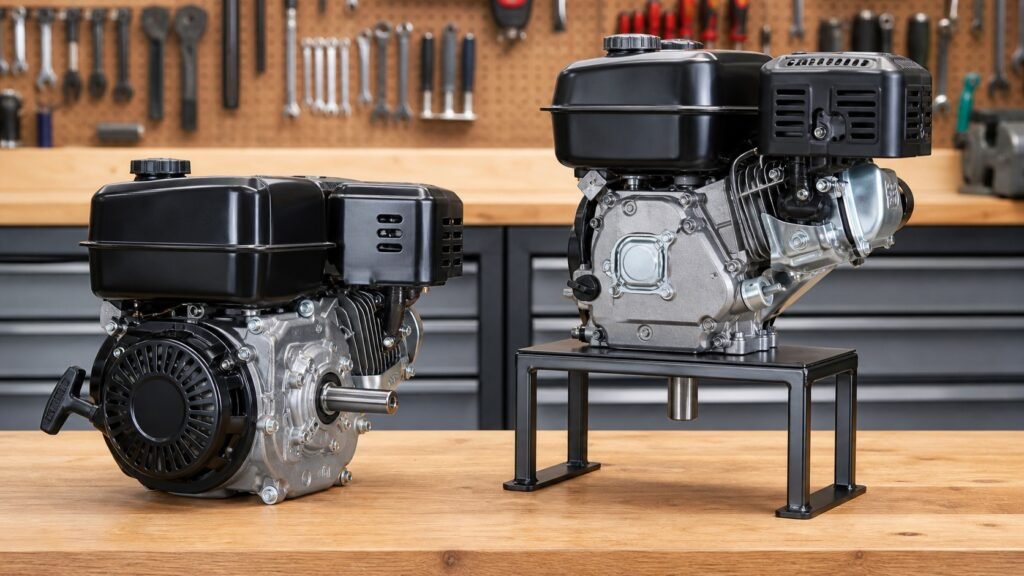
Compare horizontal and vertical shaft engines by drive layout, mounting, crankshaft dimensions, rotation, torque, controls and replacement fit.
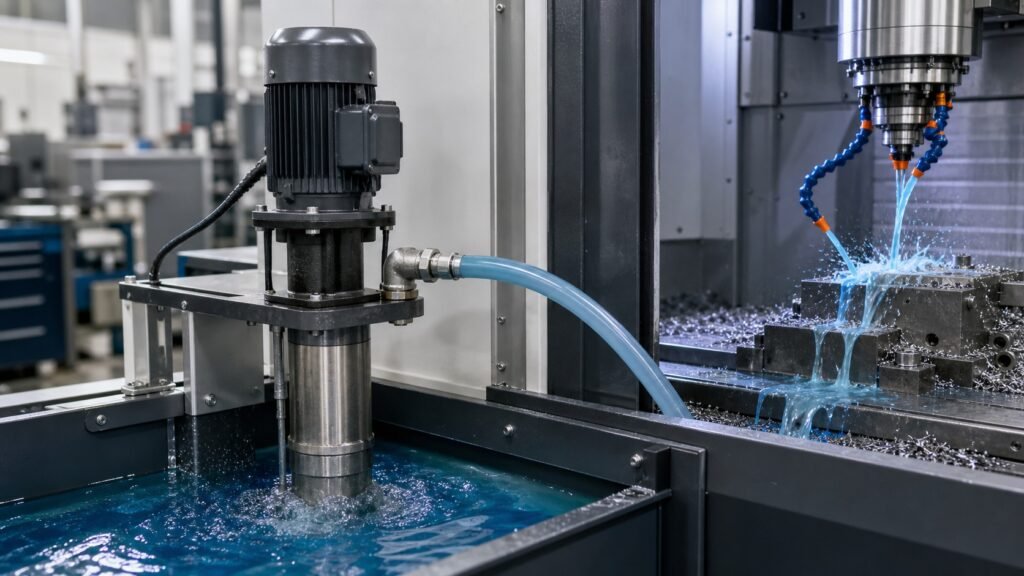
Select a machine tool coolant pump by required flow, head, immersion depth, chips, coolant compatibility, filtration and electrical supply.

Size an engine-driven water pump using required flow, total dynamic head, suction lift, solids, hose loss, priming and duty cycle.
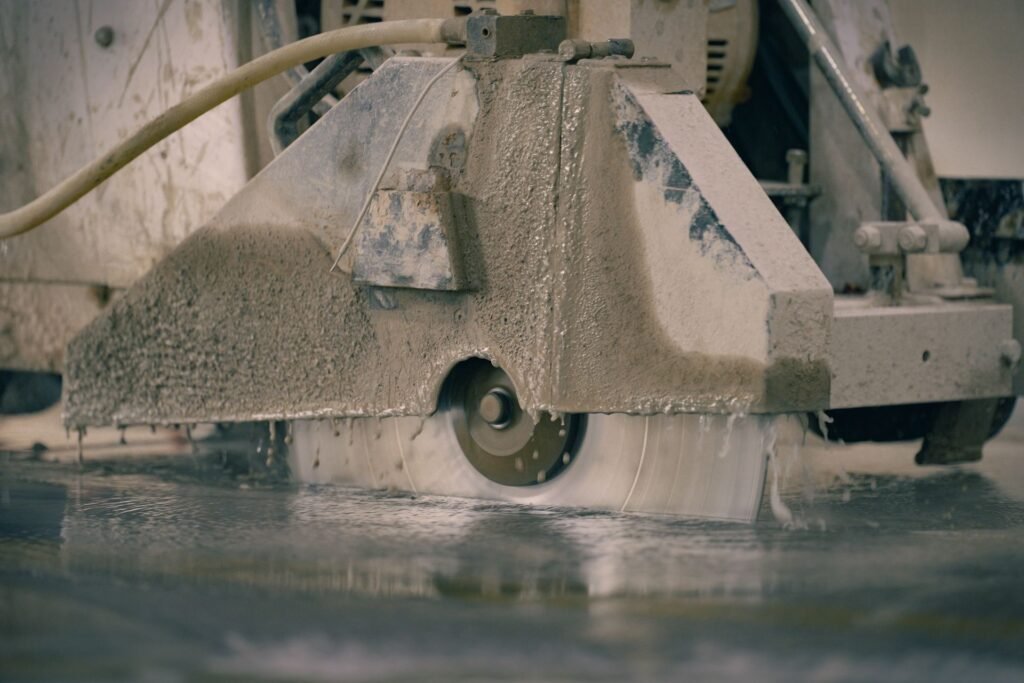
Choose concrete saw blades by wet or dry cutting, diamond bond, segment type, diameter, arbor, speed, material and required depth.
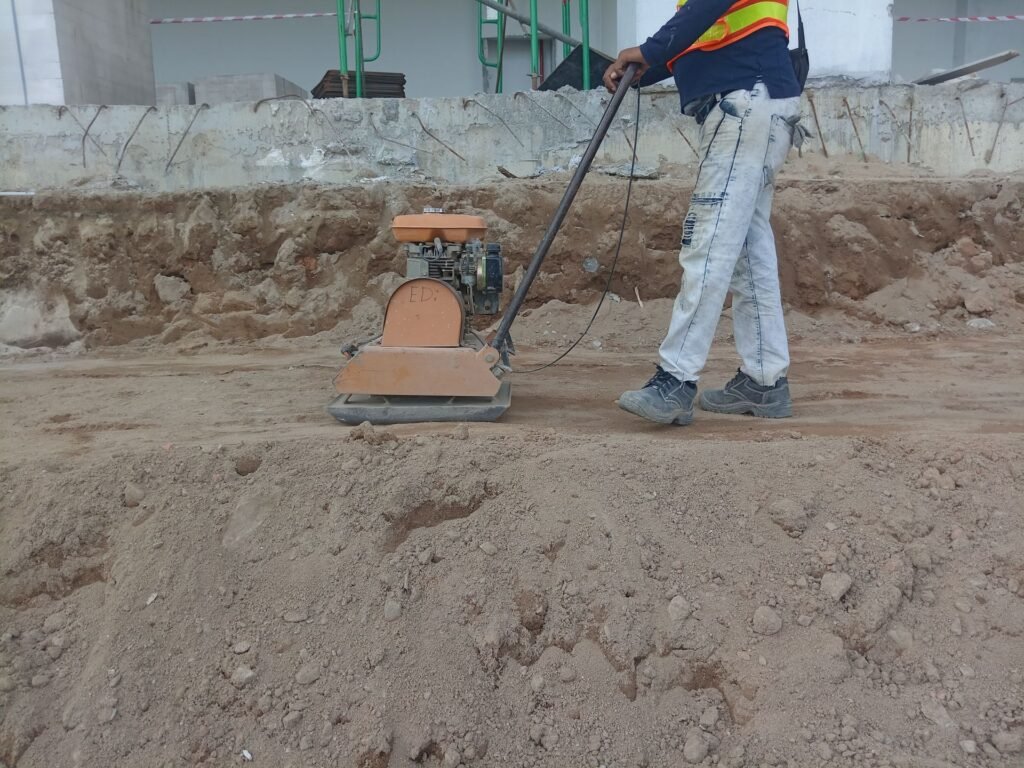
Compare plate compactors and rammers by soil type, lift depth, trench width, vibration, maneuverability and paving or backfill application.
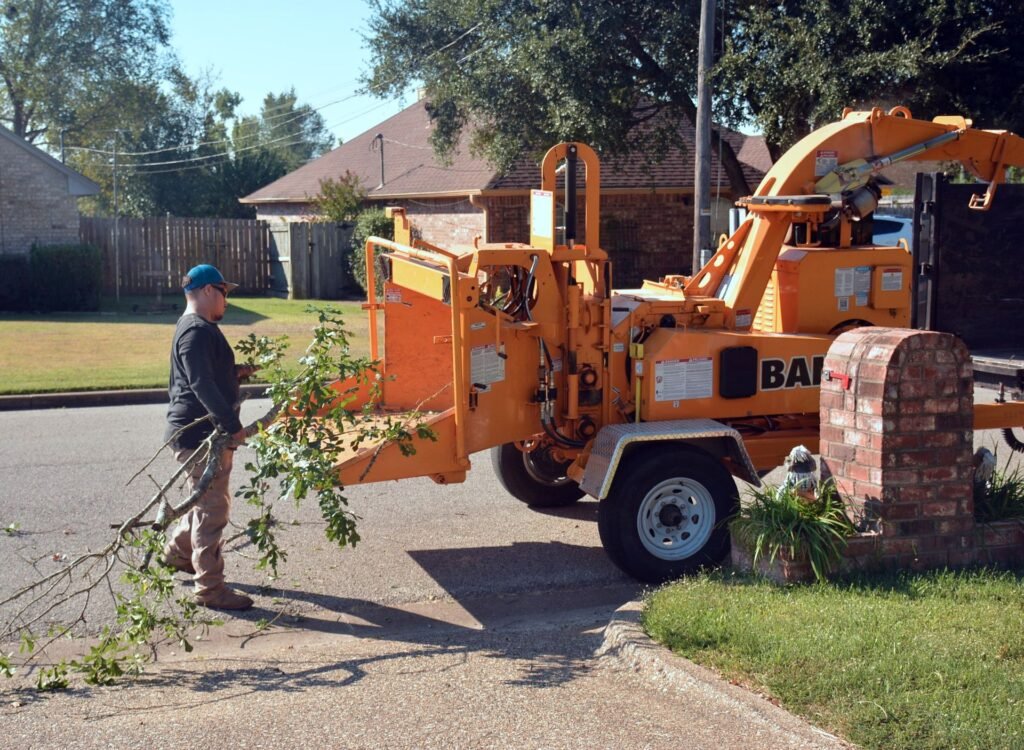
Compare wood chippers and shredders by branch diameter, leaves, reduction ratio, feed system, output, power, safety and maintenance.
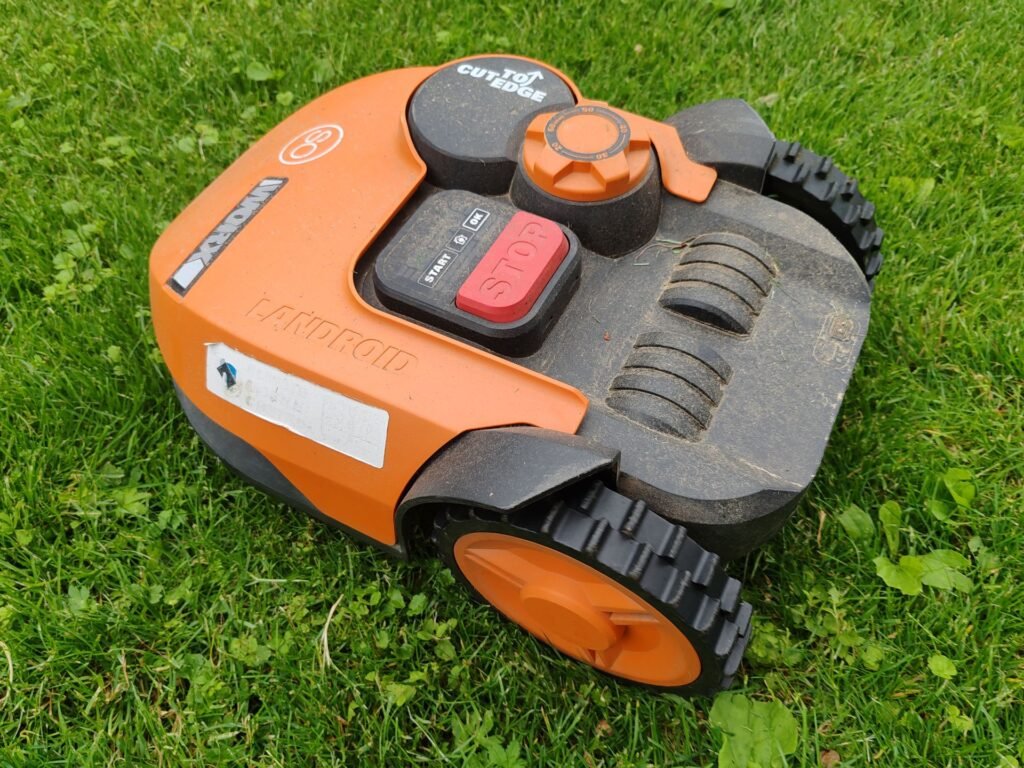
Compare robotic mower yard capacity, slope rating, boundary systems, navigation, charging, security, connectivity and maintenance.
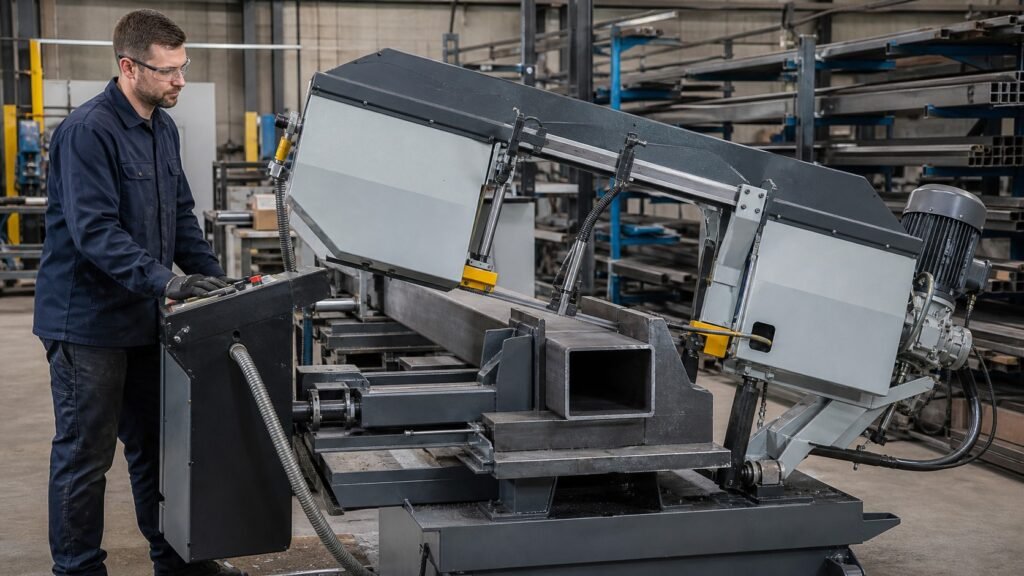
Compare horizontal and vertical metal band saws by cutting capacity, blade speed, feed control, coolant, accuracy and blade availability.
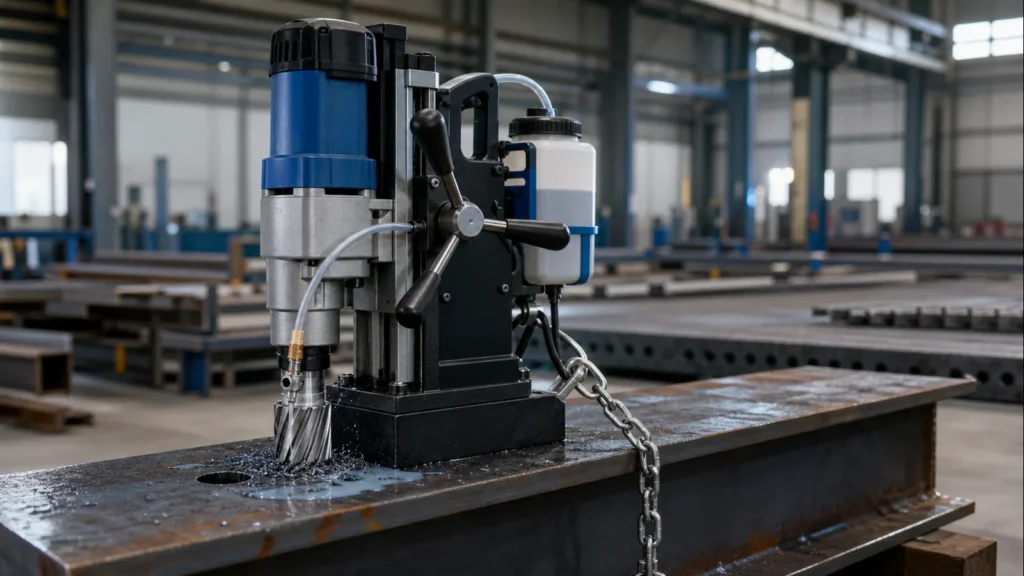
Choose a magnetic drill using cutter capacity, magnet holding force, material thickness, speed, feed, power, safety, coolant and service.
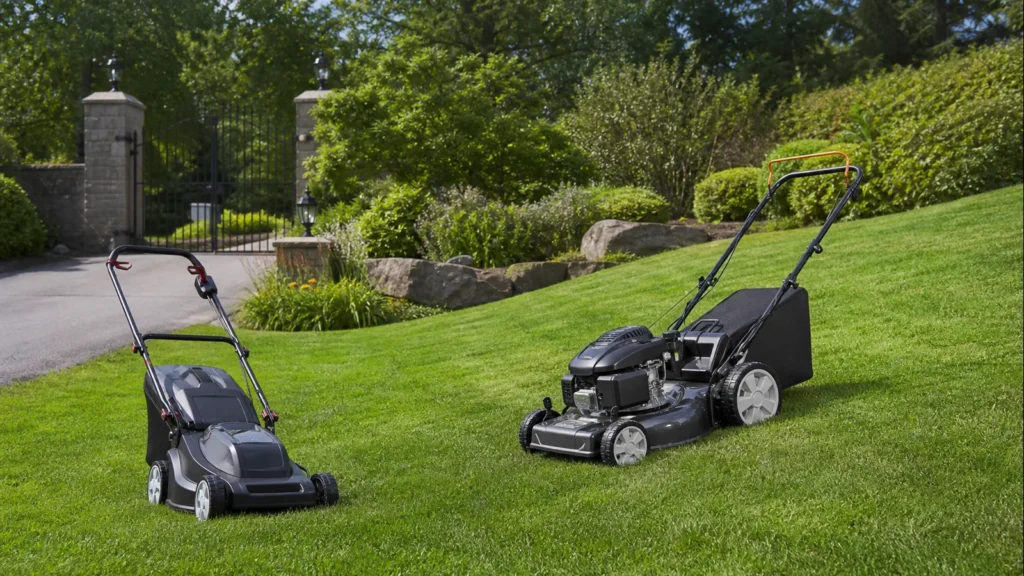
Compare push and self-propelled lawn mowers by yard size, slope, effort, traction, control, maintenance and total cost.
Explore professional tools and machinery selected for demanding jobsites and facilities.